


Signs Outdoor Kittens May Be Abandoned and Steps to Take

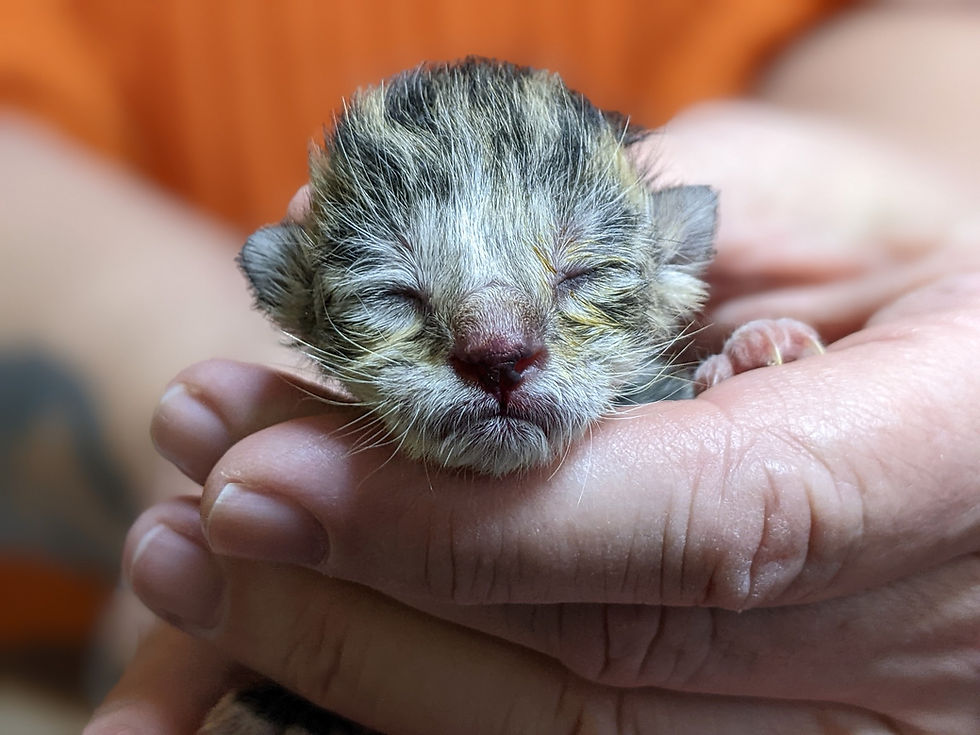
Finding a nest of tiny kittens tucked beneath a bush, inside a shed, or under your porch can be heartbreaking. Your first instinct may be to scoop them up and rush them to safety.
But before you do, take a deep breath.
In many cases, those kittens aren't abandoned at all.
Mother cats regularly leave their kittens for several hours at a time while they search for food. If you remove the kittens too quickly, you may accidentally separate them from the person who gives them the very best chance of survival: their mom.
Here's what to do if you find newborn kittens outside.
Don't Rush to Move Them
Unless the kittens are in immediate danger (such as being in the middle of a road, flooding, extreme heat, or at immediate risk from predators), leave them where they are.
Healthy mother cats often stay away from the nest when people are nearby. She may be watching from a distance, waiting until it's safe to return.
Moving the kittens too soon can unintentionally orphan them.
Watch From a Distance
Observe the kittens from a distance for at least 4–6 hours, if it's safe to do so. Avoid standing nearby or checking on them frequently, as your presence may discourage the mother from returning.
If possible, watch from inside your home, your car, or another location where you won't disturb the area.
Many mother cats return several times throughout the day to nurse, groom, and move their kittens.
If she comes back, the best thing you can do is leave the family together.
Assess the Kittens
While observing, look for signs that the kittens may truly need help.
Healthy kittens are generally:
Sleeping quietly most of the time
Warm to the touch
Plump with round little bellies
Resting close together
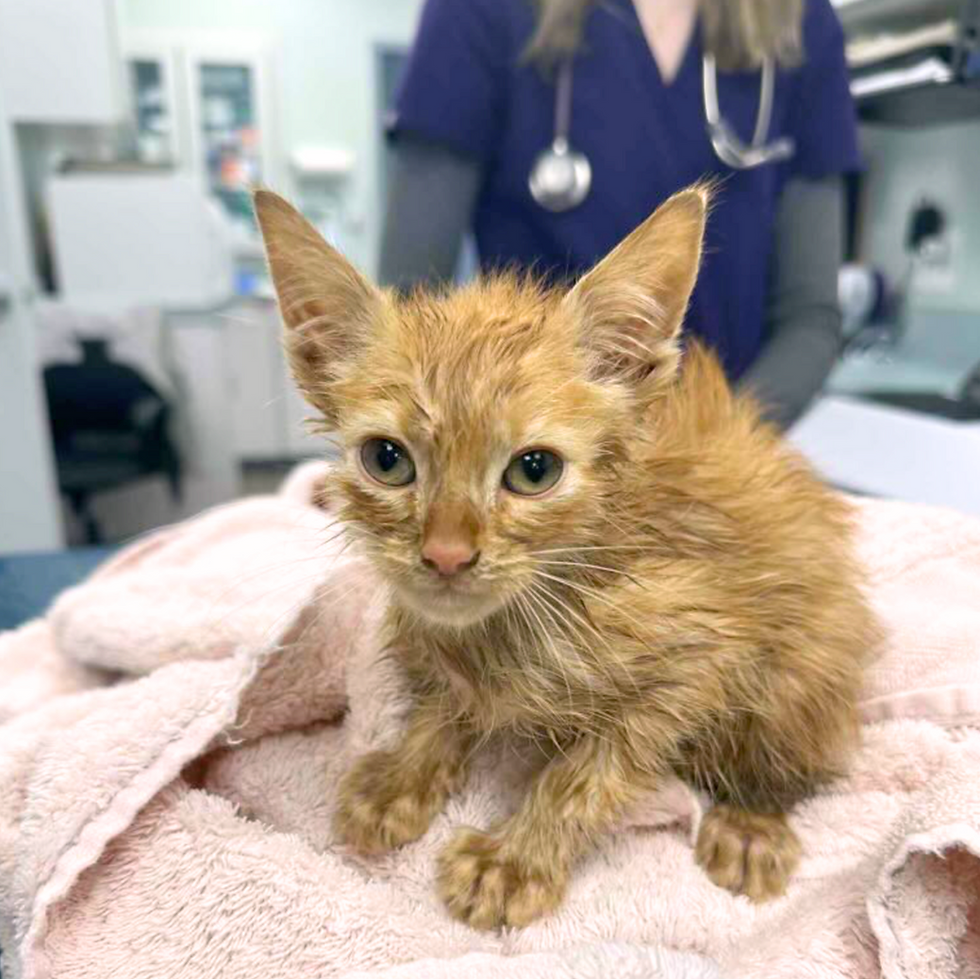
Kittens who may need intervention might be:
Crying constantly for long periods
Cold to the touch
Thin or dehydrated
Covered in flies or ants
Injured or bleeding
Weak or unresponsive
A crying kitten isn't automatically orphaned, but persistent crying combined with no sign of mom after several hours deserves closer attention.
Contact a Rescue Before Picking Them Up
If you believe the kittens have truly been orphaned, contact a local rescue organization, shelter, or veterinarian before bringing them home.
They can help you determine:
Whether the kittens actually need to be rescued
Approximately how old they are
Whether a foster home is available
What supplies you'll need if you care for them temporarily
Every situation is different, and getting guidance early can dramatically improve the kittens' chances of survival.
Provide Emergency Care if Necessary
If the kittens are clearly orphaned or in immediate danger and you must intervene, focus on one thing first:
Keep them warm.
Newborn kittens cannot regulate their own body temperature, and a cold kitten cannot safely digest food.
Wrap them in a soft towel and provide gentle warmth using a heating pad on the lowest setting (covering only half of the box) or a warm water bottle wrapped in fabric so they can move away if they become too warm.
Do not feed a cold kitten. Warm them gradually first.
Once they're warm and stable, they can be fed an appropriate kitten milk replacer. Never give cow's milk, as it can cause serious digestive problems.
Monitor Them Closely
Whether you're caring for the kittens overnight or fostering them for several weeks, close monitoring is essential.
Watch for:
Daily weight gain
Strong appetite
Normal urination and bowel movements
Healthy energy levels
Signs of illness, such as diarrhea, labored breathing, or eye discharge
Young kittens can decline very quickly, so don't hesitate to reach out for help if something doesn't seem right.
When Should You Rescue Immediately?
While waiting for mom is usually the right choice, there are situations where immediate intervention is necessary.
Rescue the kittens right away if they are:
Injured or bleeding
Cold and unresponsive
Covered in insects
In immediate physical danger
Found beside a deceased mother cat
In a location where they cannot safely remain
When in doubt, call a rescue organization for guidance.
Remember: Mom Is Usually the Best Caregiver
As tempting as it is to rescue every litter you find, the healthiest place for newborn kittens is usually with their mother. She provides perfect nutrition, warmth, grooming, protection, and around-the-clock care that no human can fully replace.
By taking a few extra hours to observe before intervening, you may be giving those kittens the greatest gift possible—the chance to grow up with their mom.
If they truly are orphaned, then stepping in quickly and getting help can absolutely save their lives.
Sometimes the hardest part of rescuing is knowing when not to rescue. Learning the difference is one of the most important ways we can help kittens thrive.
Comments