


New Kitten Checklist: Everything You Actually Need the First Week
So there's a kitten coming home. Maybe you've been planning this for months, or maybe the Kitten Distribution System found you and now you're standing in a pet store aisle wondering why there are forty kinds of litter. Either way: breathe. You've got this, and we've got you.
Here's the honest truth about that first week — it's less about having the perfect setup and more about giving one small kitten a calm, safe place to land. Kittens don't need much. They need warmth, food, a clean spot to do their business, and someone patient enough to let them figure out that the world isn't scary. The rest is details, and we'll walk through all of them together.
Before your kitten walks in the door
The single best thing you can do before pickup day is get down on the floor and look at your home the way a curious, fearless, four-inch-tall explorer will. Because that's exactly what's about to happen.
Kitten-proofing is really just hazard-hunting. Tuck away or tape down dangling cords. Move houseplants you're not sure about up high (a surprising number are toxic to cats). Check that window screens are secure, close toilet lids, and take a look under and behind furniture for gaps a kitten could vanish into. If it can be swallowed, climbed, chewed, or squeezed behind, assume your kitten will try all four.
Click below to download our free Kitten-Proofing Checklist:

Then pick one room to be their starter space — a bedroom or bathroom will work well. A whole house is overwhelming for a little one, and too much space may make it hard to find their litter box or food. A single quiet room with everything they need lets them build confidence, and you can expand their territory as they settle in.
The starter shopping list
You can absolutely add fun stuff later. This is the "everything you actually need" version.
Food and water
☑️ A quality kitten food. Kittens grow fast and burn serious energy, so they need food made for their life stage, not adult cat food. If you know what the shelter was feeding, grab that same food to start — switching abruptly can upset kitten tummies.
☑️ Bowls that won't tip. Wide, low, easy-to-clean bowls (stainless steel is great) survive enthusiastic eaters better than lightweight plastic.
☑️ Fresh water, always available. A bowl of clean water should be within easy reach at all times. Kittens are small and dehydrate quickly, so constant access matters — and they're far more likely to drink when the water is fresh, so top it up and rinse the bowl daily.
One tip that saves a lot of guesswork: rather than leaving a full bowl out all day, feed several small measured meals. Young kittens do best on around four to five little meals a day, and measuring makes it much easier to notice if they suddenly stop eating.
The litter box situation
☑️ A low-sided, open box. Tiny kittens need to climb in and out easily, so start with something shallow. Most cats also prefer an uncovered box to a hooded one. You'll size up as they grow.
☑️ The right litter for their age. Very young kittens should use unscented, non-clumping litter (curious kittens taste-test everything, and clumping litter isn't safe if swallowed). Around eight to ten weeks, you can switch to an unscented clumping litter. Start with about an inch of litter and add more as they get bigger.
☑️ A scoop and a routine. Keep the box in a quiet, low-traffic spot, scoop it daily, and give it a full wash regularly. Kittens are clean little creatures and will snub a dirty box.
If you've got other cats, the rule of thumb is one box per cat, plus one extra, spread around the house — and your newcomer gets their own to start.
Rest, comfort, and play
☑️ A cozy bed or two. Honestly, a soft towel in a box works just as well as anything fancy. Kittens sleep an enormous amount — often sixteen-plus hours a day — and that sleep is doing important growing work, so give them warm, safe places to crash.
☑️ Scratching surfaces. A scratching post or pad from day one teaches claws where they should go, which your couch will thank you for.
☑️ A few simple toys. Wand toys, little balls, crinkly things. Play isn't just cute — it builds coordination, burns energy, and is one of the fastest ways to earn a shy kitten's trust.
Getting around safely
☑️ A carrier. Non-negotiable, and not just for pickup day. Choose one that feels den-like and secure — bonus points if it has a removable top or doubles as a bed. Leave it out at home with a soft blanket inside so it becomes a familiar hideout rather than the scary box that only appears before vet visits.
Set up the safe space
Put it all together before the kitten arrives: food and water in one spot, litter box in another (cats like a little separation between kitchen and bathroom, same as us), a cozy bed, a scratcher, a couple of toys, and the open carrier tucked in a corner.
Then, when your kitten comes home, let them set the pace. Some march out ready to run the place; others hide under the bed for a day or two. Both are completely normal. Sit on the floor, talk softly, and let curiosity do the work. Trust is built in kitten time, not human time.
The first vet visit: put it on the calendar now
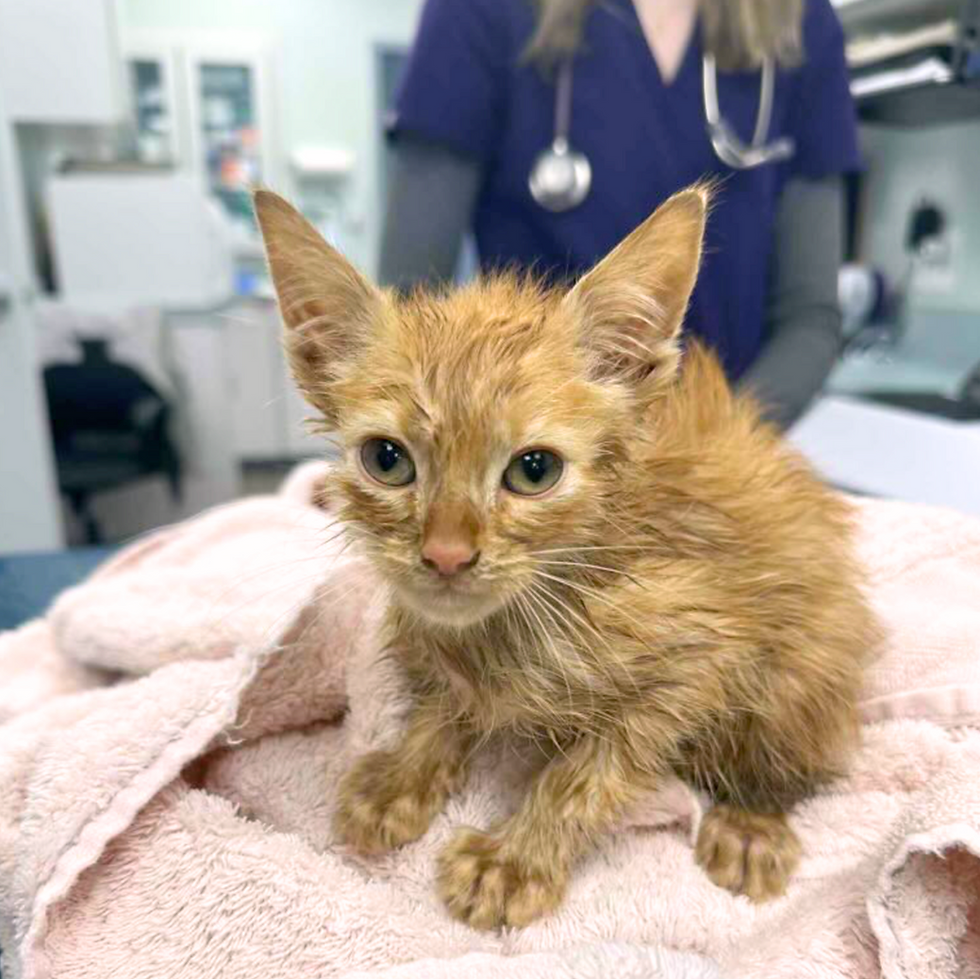
This is the one that's easy to put off and really shouldn't be. Plan to see a veterinarian within your kitten's first week home, even if they seem perfectly healthy.
That first appointment sets the whole foundation, and getting your kitten established while they're healthy will make it much easier to make an appointment for them down the road if there is an emergency.
Bring that carrier with treats inside, and you've already made vet trips a little less stressful for the rest of their life.
The things that matter more than any gadget
Once the gear is sorted, the real work of week one is gentle and free:
Socialize, socialize, socialize. Kittens are little sponges, and the prime window for learning that people, sounds, and handling are all safe is early. Handle them softly and often, introduce new experiences slowly, and keep everything positive.
Protect their sleep. As much as you'll want to hold them every waking second, let sleeping kittens sleep. It's not laziness; it's growth.
Watch closely. Cats are famous for hiding when they don't feel well, so any change in appetite, energy, or bathroom habits is worth a call to your vet. You know "normal" better than anyone after just a few days — trust that.
And one gentle note if you found or were handed a kitten who's very young: babies under about eight weeks really need their mom and littermates when at all possible, and the tiniest ones need specialized round-the-clock care. If you're in over your head, your local shelter or rescue would much rather get an early phone call than a late one. Reaching out isn't failing — it's exactly the right move.
Your quick first-week checklist
☑️ Kitten-proof the house and set up one starter room
☑️ Kitten food (matching their current diet to start)
☑️ Tip-proof food and water bowls
☑️ Litter box (low-sided) + age-appropriate litter + scoop
☑️ Cozy bed and a couple of warm, safe resting spots
☑️ Scratching post or pad
☑️ A few simple toys
☑️ A secure, den-like carrier
☑️ First vet visit booked within the first week
☑️ A plan for microchipping and spay/neuter
Welcome to the best kind of chaos
Here's the thing no checklist can capture: you're about to fall completely, ridiculously in love. There will be zoomies at 3 a.m. and a paw batting your face at dawn and a tiny purr that makes the whole thing worth it.
Every kitten who gets a soft place to land is a small victory — and by opening your home to one, you've just made room in the world for the next one who needs help. From all of us here: thank you, and congratulations. Now go enjoy the biscuits, the naps, and the mayhem.


Comments