


Why Adopting a Rescue Kitten Is More Affordable Than Getting a "Free" Kitten
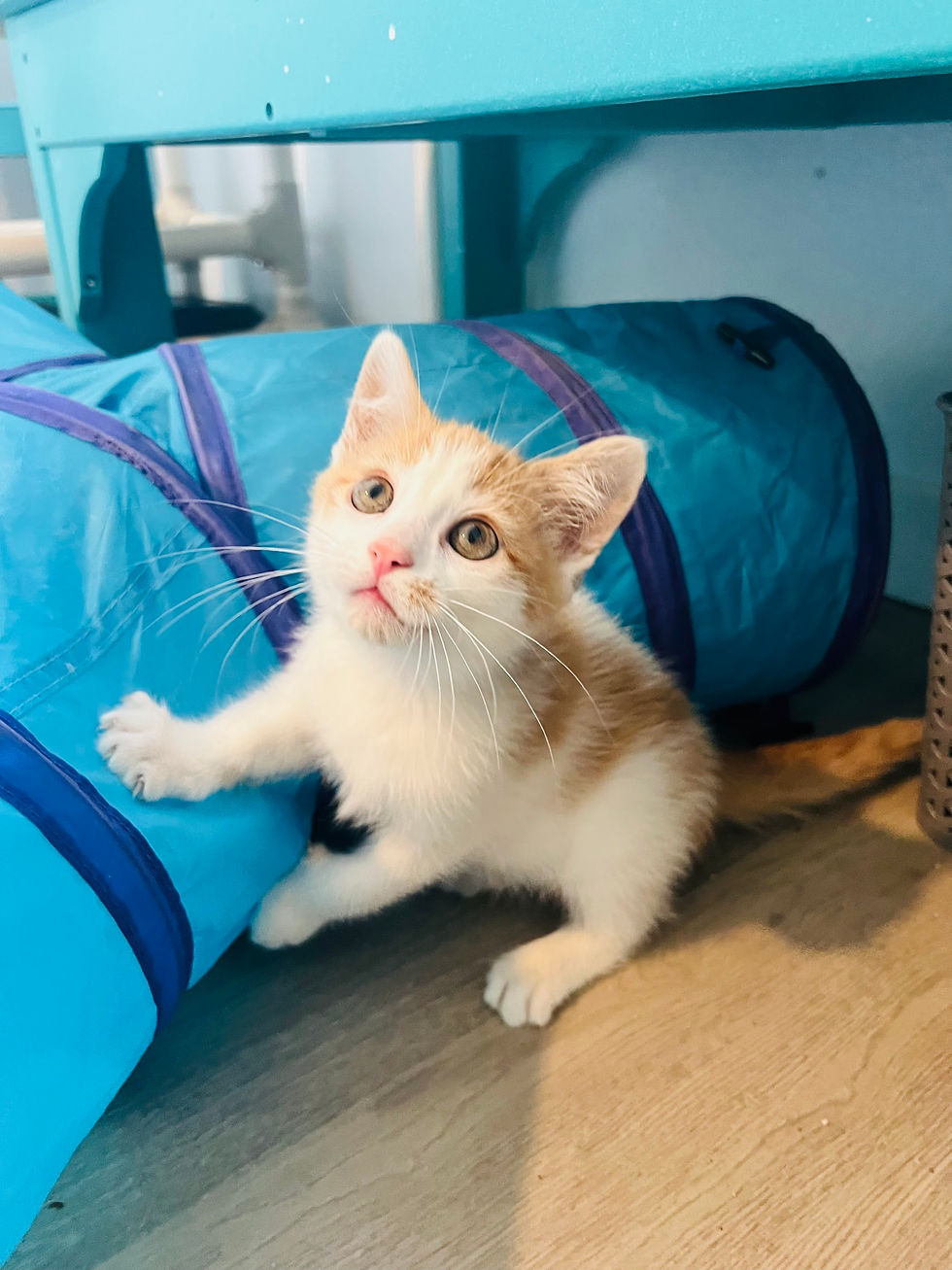
When you're thinking about adding a kitten to your family, it's easy to be drawn to the word "free."
After all, if someone is giving away kittens, why pay an adoption fee?
The truth is that a free kitten is rarely free.
In fact, by the time you've covered all of the veterinary care a young kitten needs, that "free" kitten often becomes much more expensive than adopting from a rescue.
When you adopt from a reputable animal rescue, you're not just paying for the kitten.
You're investing in the medical care, preventative treatments, and support that help give your new family member the healthiest possible start in life.
Here's what your adoption fee often includes—and what you'd otherwise be paying for yourself.
Spay or Neuter Surgery
One of the most important investments in your kitten's future is having them spayed or neutered.
Not only does this prevent unwanted litters, but it also reduces the risk of certain cancers, eliminates the possibility of life-threatening uterine infections in females, and can help reduce behaviors like roaming and spraying.
When you adopt from a rescue, this surgery is almost always included in your adoption fee.
If you obtain a free kitten elsewhere, you'll likely be responsible for scheduling—and paying for—the procedure yourself, which can cost several hundred dollars depending on your location and veterinary clinic.
Age-Appropriate Vaccinations
Kittens require a series of vaccinations during their first few months of life to protect them from serious and potentially fatal diseases.
These vaccines help protect against illnesses such as:
Feline panleukopenia (distemper)
Feline herpesvirus
Calicivirus
Rabies
Most rescue kittens have already started this vaccination series before adoption, saving you both money and the stress of figuring out what your kitten has—or hasn't—received.
Microchipping
Even indoor cats can slip outside through an open door, damaged window screen, or during an emergency like a fire or severe storm.
A microchip provides permanent identification that greatly increases the chances of a lost cat being reunited with their family.
Many rescue organizations microchip every kitten before adoption, saving adopters the cost of scheduling the procedure later.
It's a small device that can make a life-changing difference.
Deworming and Parasite Treatment
Nearly every kitten born outdoors has some type of intestinal parasite. Many also arrive with fleas, ear mites, or other parasites that require treatment.
Before a rescue kitten is adopted, they've typically received:
Multiple rounds of deworming
Flea treatment
Ear mite treatment (if needed)
Ongoing monitoring to ensure they're healthy
These treatments may seem minor individually, but they quickly add up—and untreated parasites can lead to anemia, poor growth, digestive issues, and other health problems.
Veterinary Examinations
Rescue kittens receive regular medical care from the time they enter the program.
That often includes:
Comprehensive physical examinations
Monitoring growth and development
Treating illnesses or injuries
Addressing congenital concerns
Medical records you can share with your family veterinarian
Instead of starting from square one, you're adopting a kitten whose health has already been carefully evaluated.
Disease Testing
Depending on the kitten's age and your rescue's protocols, many kittens are also tested for diseases such as:
Feline Leukemia Virus (FeLV)
Feline Immunodeficiency Virus (FIV)
Knowing your kitten's health status provides peace of mind and helps ensure they're introduced safely to other pets in your home.
Foster Care and Socialization
One benefit people often overlook is everything that happens before a kitten is available for adoption.
Most rescue kittens spend weeks—or even months—in foster homes where they're:
Socialized with people
Introduced to normal household sights and sounds
Monitored for medical concerns
Given appropriate nutrition
Helped through weaning and litter training
Matched with adopters based on personality
That early investment creates kittens that are healthier, more confident, and better prepared for life in their new homes.
Ongoing Support
When you adopt from a rescue, you're not taking your kitten home and being left on your own.
Most reputable rescues continue to provide support if questions come up about:
Nutrition
Behavior
Medical concerns
Transitioning into your home
Introducing your kitten to other pets
That guidance can be incredibly valuable—especially for first-time cat owners.
The Adoption Fee Saves More Than One Life
There's another important piece that often gets overlooked.
Your adoption fee doesn't just cover the care your kitten has already received. It also helps make room for the next kitten who desperately needs help.
Every adoption helps fund:
Emergency medical care
Bottle baby formula
Incubators
Medications
Foster supplies
Life-saving surgeries
Care for future kittens entering the rescue
When you adopt, you're creating a ripple effect that extends far beyond your own family.
"Free" Isn't Always Less Expensive
A free kitten may seem like a bargain at first.
But after paying for:
Spay or neuter surgery
Vaccinations
Microchipping
Deworming
Flea treatment
Veterinary examinations
Disease testing
Medical treatment for any illnesses
…the total cost often exceeds what you would have paid in an adoption fee.
More importantly, adopting from a rescue gives you confidence that your kitten has already received an excellent start in life.
A Great Value—and an Even Greater Impact
Choosing to adopt from a rescue isn't just a financially smart decision. It's an investment in your kitten's health, your family's peace of mind, and the future of countless other kittens still waiting for help.
When you pay an adoption fee, you're not simply purchasing a pet.
You're giving one kitten a loving home while helping make space and resources available to save the next tiny life that comes through the rescue's doors.
That's a value no "free" kitten can match


Comments